Memory care vs assisted living comes down to supervision. Choose assisted living while a parent follows safety instructions and needs help with daily tasks. Choose memory care once dementia calls for a secure setting and specially trained staff.
Picture a parent whose apartment still works for meals and medication, but who has started getting confused about the time or the place. That is the point where families begin comparing the two settings. If the diagnosis is recent, start with this guide on parent diagnosed with alzheimer’s what to do, then use the criteria and tour questions below.
What each setting is built for
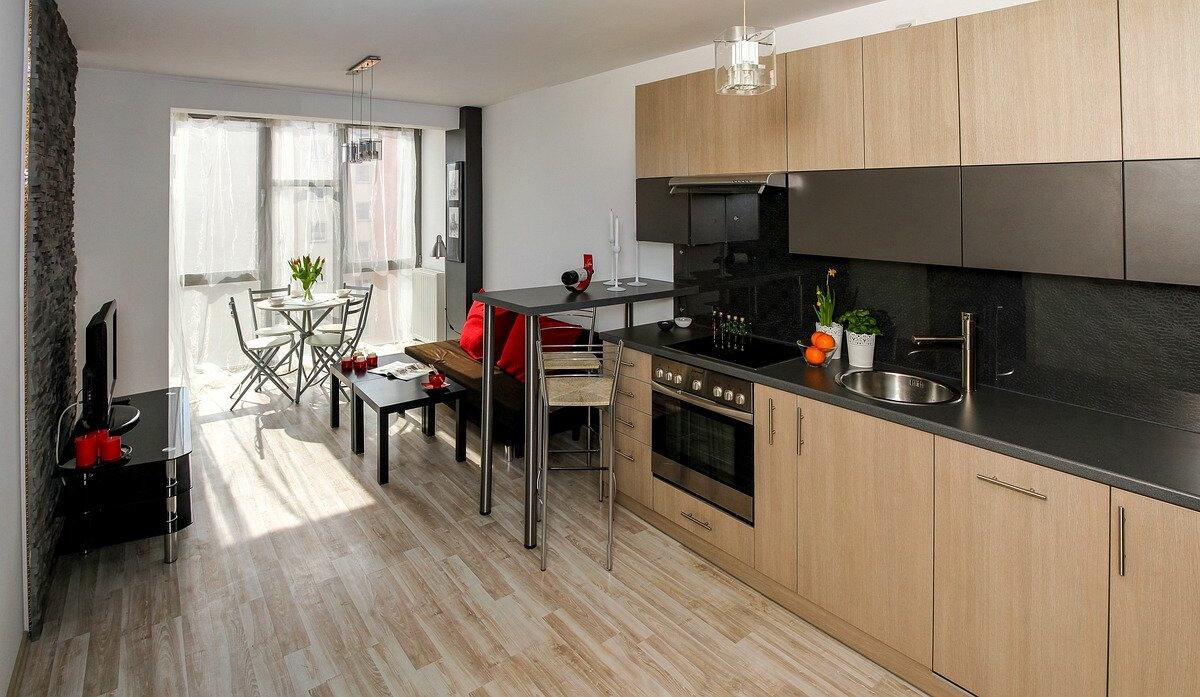
Assisted living is designed for older adults who can live mostly on their own but need help with certain daily tasks. Residents keep an apartment-style home and get support with things like meals, bathing or medication. It is the right fit when a parent’s main need is practical help, not constant supervision.
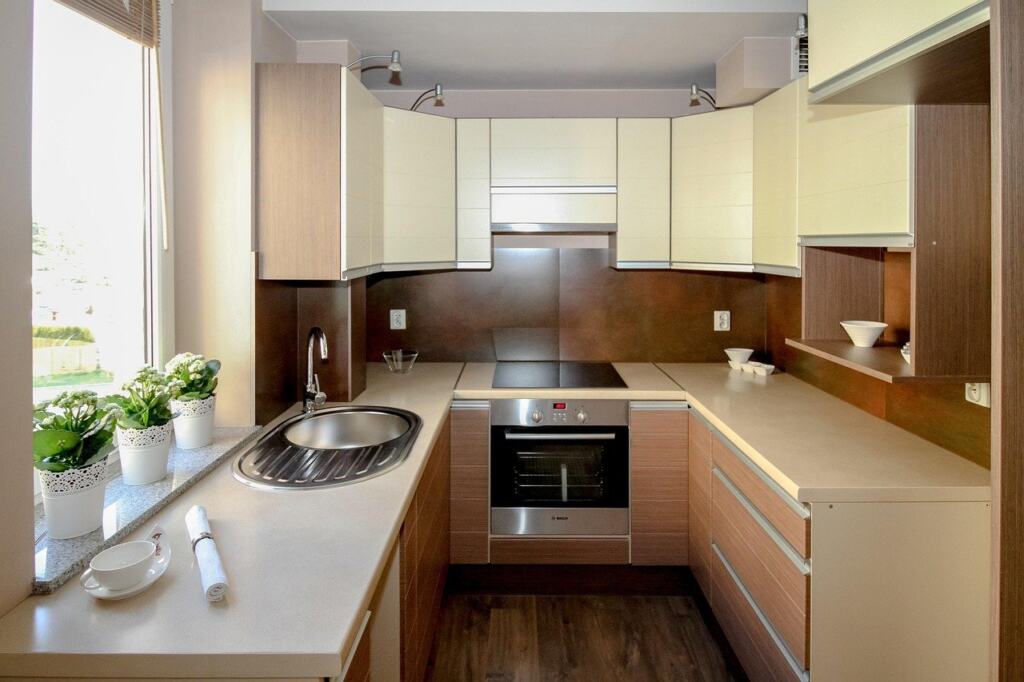
Memory care is specifically designed for people with cognitive decline from Alzheimer’s disease, dementia or other memory-related conditions. Both settings help with activities of daily living. Memory care adds a specialized environment, security and staff for people with dementia.
Deciding criteria: when assisted living stops being enough
No single symptom settles the question. Work through these checks in order and note where your parent’s current setting is already straining.

- Safety instructions. Ask whether your parent can follow basic safety instructions without repeated redirection. If staff must redirect the same behavior again and again, assisted living is likely no longer enough.
- Orientation. Watch for a parent who becomes confused about time or place. This is a recognised sign that memory care may be appropriate.
- Staff skills. Find out what dementia training the current staff have. General assisted living staff are typically not required to complete memory care specialist training, so a parent whose needs are growing may outpace what the team is prepared for.
- Environment. Consider whether the building itself is working against your parent. Memory care uses secure perimeters, consistent layout cues, reduced environmental stimulation and enclosed outdoor areas, and these are hard to replace with extra reminders.
- Family capacity. Be honest about your own limits. Family caregivers often reach a point where the demands of supporting a loved one with dementia become hard to sustain.
If the first two checks are clearly failing, start touring memory care now instead of waiting for the next incident. If only the last check is failing, ask the current community what additional support it can add before moving.
Side-by-side comparison
| Criterion | Assisted living | Memory care |
|---|---|---|
| National median monthly cost | $5,830 per month | $6,999 per month |
| Staff dementia training | General staff typically not required to complete memory care specialist training | Specialized training; 79% of partner communities provide it |
| Caregiver-to-resident ratio | Lower than memory care | Tends to be much higher |
| Building design | Varies by community | Secure perimeters, layout cues, reduced stimulation, enclosed outdoor areas |
| Best fit | Mostly independent parent who needs help with daily tasks | Parent with cognitive decline who needs supervision and a secure setting |
Cost, training and staffing figures come from A Place for Mom’s comparison, and training requirements and design features from NCCDP’s comparison guide.
The secured entry is the most visible physical difference. A keypad door is not a feature to judge in isolation, though. It matters because it works together with the layout and the staff, and a good community explains how residents still get outdoors and move freely inside.
Edge cases: early dementia and family strain
Assisted living is not automatically wrong for a parent with dementia. Up to 70% of assisted living residents have some form of cognitive impairment, and around 40% have Alzheimer’s or a related dementia, as reported from a symposium in Innovation in Aging. A parent with early-stage memory loss who is settled, safe and following instructions may do well where they are, particularly if the community offers extra support.
The risk is waiting too long. A move prompted by an incident is harder on everyone than one planned while your parent can still adapt. If you are already mourning the person your parent used to be, you may find it helps to read about grieving a parent who is still alive with dementia, because guilt often delays this decision longer than the facts justify.
How much more memory care costs
Memory care costs more than assisted living. A Place for Mom’s data puts the national median at $6,999 per month for memory care against $5,830 for assisted living. These are national medians from one company’s data, so local prices can differ and a community’s own fee schedule is the figure to rely on.
The premium reflects what residents need: more specialized care and frequent supervision. Memory care staff are specially trained and work with fewer residents, which raises labor costs, and secure features add to the price as well. When comparing quotes, ask exactly what the monthly fee includes and how it changes if care needs increase.
Tour checklist for a memory care facility

Choosing a memory care facility works best in person. A visit shows the environment, staff demeanor and cleanliness, none of which a brochure can show. Pay close attention to how staff treat residents who are confused or agitated, because that tells you more than any policy statement. Bring a notepad and ask each community the same questions so you can compare fairly.

Staff and training
- Training. What dementia care training do caregivers complete, and how often is it refreshed?
- Staffing. What is the staff-to-resident ratio on days, evenings and nights?
- Response. What do staff do when a resident is agitated or tries to leave?
Safety and environment
- Security. How is the unit secured, and how do residents get outside safely?
- Layout. Are there layout cues and quiet spaces that reduce confusion and stimulation?
- Changing needs. What happens if my parent’s needs change, and who decides when a move is needed?
Daily life, fees and licensing
- Activities. What does a typical day look like? Compare the answer with these activities for people with alzheimer’s.
- Fees. What is included in the monthly fee, and what costs extra?
- Licensing. Is the community licensed by the state licensing agency, and which dementia care requirements apply to it?
Frequently asked questions
| Question | Answer |
|---|---|
| Do Medicare or Medicaid pay for memory care or assisted living? | Both settings are typically private-pay services, and Medicare generally does not pay for long-term room and board. Medicaid may help cover long-term care, including memory care, depending on the state and the provider. |
| Is memory care always a locked unit? | Most are secured. Among A Place for Mom’s partner communities, 88% are secure facilities and about 41% feature a wandering management system. Ask each community how its own system works. |
| Can my parent move to memory care without leaving the community? | Some communities offer this. Residents there can transition from assisted living to memory care without leaving the community they already know. It is provider-specific, so confirm it before you sign. |
| Do state rules for dementia care differ? | Yes. What care can legally be provided and what staffing is required vary considerably by state. CMS sets baseline standards for these settings, and quality goes beyond compliance, so use the tour questions as well as the licence. |