
Quick answer: Caring for aging parents starts with an honest assessment of what your parent can still do alone and where they need help. Make that your first decision, because housing, insurance and legal choices all depend on it.
The sections below follow the order in which decisions usually arise: warning signs, home safety, medications, local services, Medicare, paperwork, driving, housing and your own limits. If a move is already being discussed, start with when to move a parent to assisted living and come back here for the other decisions.
Start with an assessment of needs
The first step in planning for an aging family member is to assess their current and future needs, according to Arnot Health. Most adult children skip this and jump to a solution, such as a care home brochure or a pill organizer. A solution chosen before you know the problem is often the wrong size. It may be too much help for a parent who values independence, or too little for one who is quietly struggling.
Do the assessment in two passes. First, list what has changed recently. Then think about what is likely to change, such as a diagnosis that tends to progress or a home with stairs that will become harder to climb. The second pass is what keeps you from solving today’s problem in a way that fails in a few months.
Daily tasks that signal a need for more help
Care planners commonly sort daily tasks into two groups. Protective’s caregiving guide lists the basic activities of daily living, which are the ones that signal a need for more care when they become difficult, alongside household tasks such as managing medications. Watch for patterns rather than one-off bad days.
- Bathing and hygiene. Showering, shaving, brushing teeth and keeping up a routine. A parent who avoids bathing may be afraid of falling, which points to a home-safety fix rather than a care-level change.
- Feeding. Preparing and eating regular meals. Meal delivery or a shared meal program can close this gap without a move.
- Continence. A sensitive area that parents often hide. It usually calls for hands-on personal help rather than reminders.
- Mobility. Getting out of a chair, walking through the home, using stairs. Mobility problems point first to equipment and home changes.
- Medication management. Taking prescriptions on time and sticking to the schedule. Missed doses are among the earliest signs that broader help is needed.
Count how many of these are affected and how often. One difficult task usually means targeted help. Several at once, or a task that fails every day, is the point at which you should consider daily in-person support or a change of housing.
Hold regular family meetings
Arnot Health recommends regular family meetings to coordinate caregiving responsibilities and keep everyone informed. A routine matters more than the format. A standing call or a recurring meeting stops caregiving from becoming a series of emergency texts to whoever is closest. Use the meeting to agree who handles medical appointments, who handles bills and who is the backup when the main caregiver is unavailable.
If siblings are spread across different cities, a shared calendar and defined roles help, and our long distance caregiving tips cover how to stay useful from far away. Include your parent in the meetings wherever they are able to take part. Decisions they helped shape are far more likely to be followed.
Choosing your first move
Use what the assessment showed to decide where to begin.
- One task is failing, such as pills or meals. Go to the medication and local-services sections below and add targeted support before considering anything bigger.
- The home itself is the risk. Start with home modifications and safety checks, which are the cheapest way to keep a parent where they want to be.
- Several daily tasks need hands-on help. Read the housing section early, because you may be comparing options under time pressure.
- You are the one running low. Skip ahead to the caregiver section. A plan that depends on an exhausted person is not a plan.
Aging in place and home modifications
Aging in place means staying in one’s own home as circumstances change. It suits a parent who wants to remain at home, can manage most personal care and has a home that can be adapted. Protective notes that many seniors prefer to stay in their own homes for as long as possible, so it is usually the right starting assumption. Our guide to aging in place for seniors goes deeper on keeping a parent at home.
Arnot Health advises caregivers to assess whether the home can accommodate necessary modifications, such as ramps or grab bars. That is the real test. Some houses adapt easily, while others have entrances, stairs or layouts where modifications would be impractical. Answering that early prevents months of patching a home that was never going to work.
Room-by-room checks
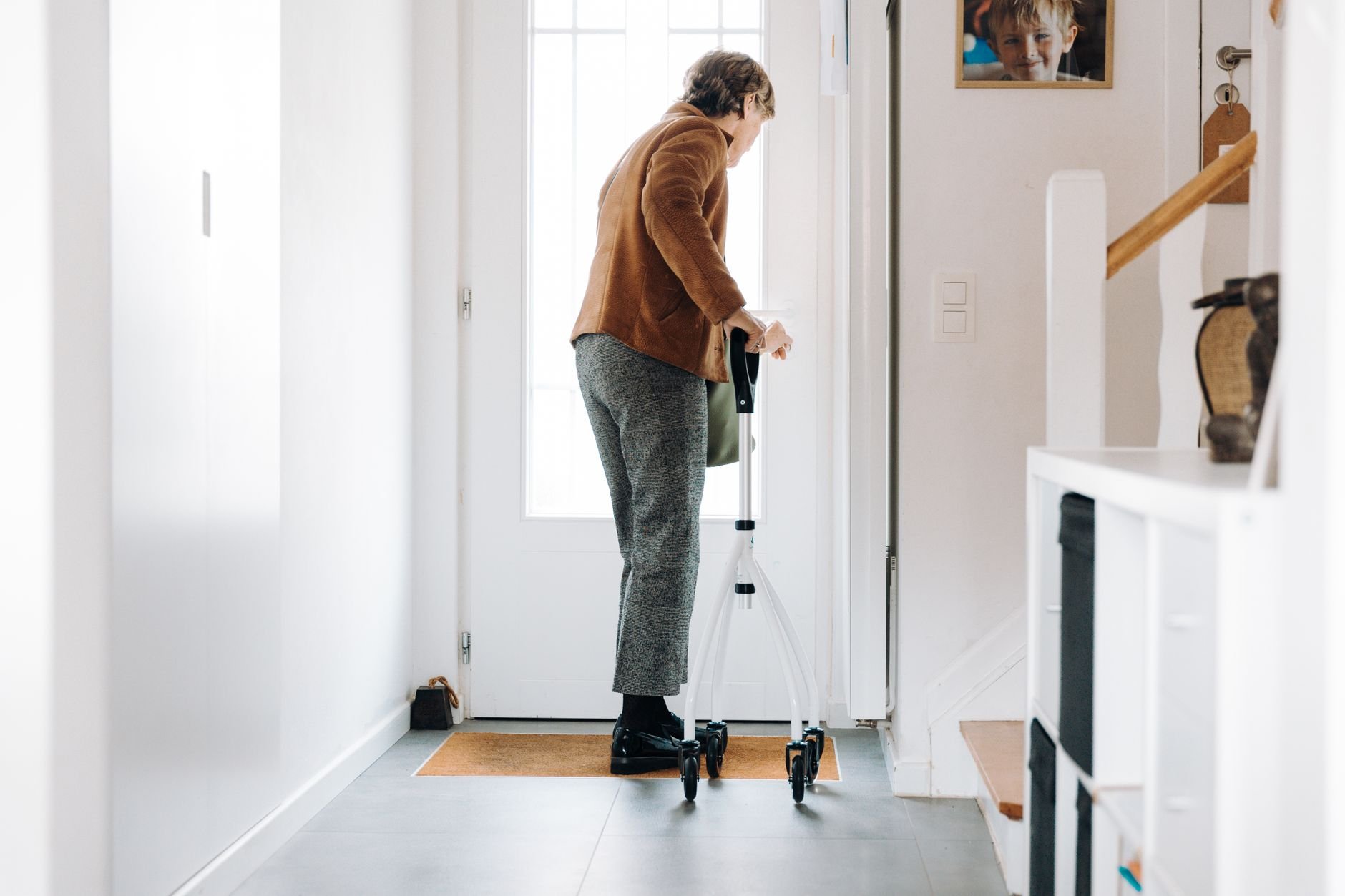
Walk the home the way your parent does, from bed to bathroom, kitchen and front door. Note anything they must step over, reach for or squeeze past. The detailed home safety checklist for elderly parents breaks that walk-through into rooms. Fix the routes used every day before the rooms used occasionally.

Bathroom changes
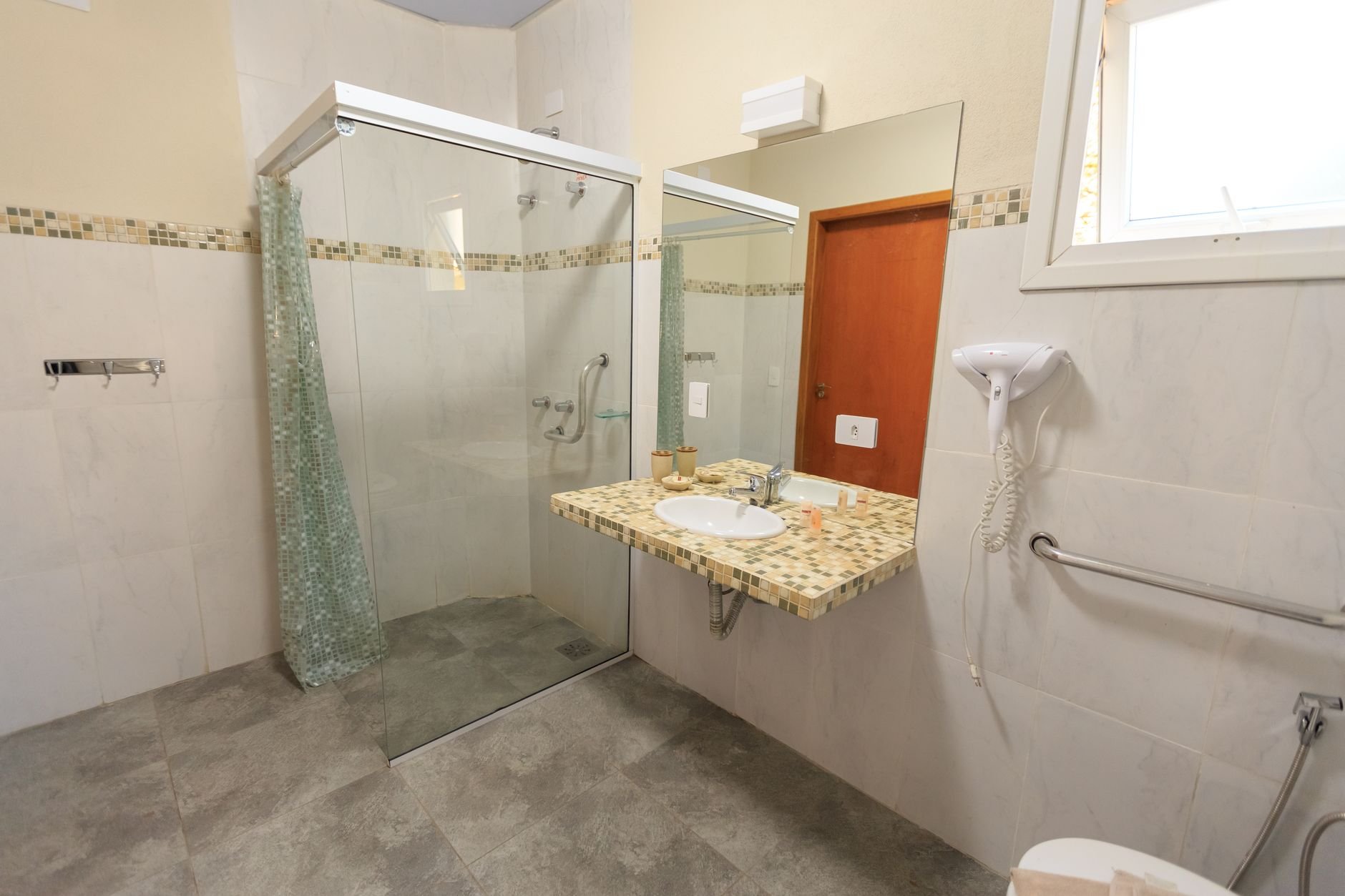
The bathroom deserves its own review because bathing is one of the basic daily activities and the room combines water, hard surfaces and tight space. A walk-in shower, a wall-mounted grab bar and a seat are the kinds of changes families usually consider. Our bathroom safety for seniors guide lists the full range. Ask your parent how they feel getting in and out, since reluctance to bathe is often the first visible sign of a fear of falling.
Technology that supports independence
Reminder and monitoring tools can help a parent who is otherwise safe alone, especially when family live far away. Our overview of technology to help seniors live independently covers the options. Treat these tools as a supplement. They do not replace someone physically checking in, and they are a poor fit for a parent who needs hands-on help with bathing or mobility.
Staying home stops being the right answer when the help required exceeds what visits, services and modifications can supply, or when the caregiving load is wearing the family down. That is the signal to move to the housing section below.
Medication management
Medication management is the task most families underestimate. Protective lists taking prescription medications on time and sticking to the schedule among the daily living tasks that caregivers may need to support. It sounds small, but it depends on memory, eyesight, dexterity and organization at once, and a failure in any of them can disrupt the routine.
Begin by sitting down with your parent and gathering every medication they take into one place. Build one written list that you can bring to appointments, and keep it current. Then match the level of help to the problem.
- Your parent is organized but forgetful. A weekly pill organizer and a fixed daily routine are usually enough. Fill it together at first so you can see what is being taken.
- Your parent confuses similar pills or schedules. You will need to do the setup yourself and check on it regularly. Ask the pharmacy about how medications can be packaged to simplify the routine.
- Your parent cannot manage medications even with setup. Someone has to be present at dose times. That is a care-level decision, not a reminder problem, and it belongs in your housing discussion.
Do not change doses, skip medications or combine products on your own. Bring questions to the prescribing doctor or pharmacist. Our guide on how to help elderly parent manage medications covers setup, routines and what to do when doses are missed.
Local services, Area Agencies on Aging and senior centers
Your Area Agency on Aging is usually the best first call when you do not know what help exists. Protective describes the agency as the place to locate programs and funding in your local area. Arnot Health adds that organizations such as the Office for the Aging connect families with services like meal delivery, transportation and in-home assistance. Call before you commit to a paid arrangement. Some of what you need may already be available locally, and the agency can tell you how to apply.
What senior centers offer
Arnot Health notes that local senior centers host activities aimed at improving the social well-being of older adults. In practice, that means a place to go, people to see and a reason to leave the house. For a parent who has become isolated after a spouse’s death or after giving up driving, that routine can matter as much as any practical service.
A senior center suits a parent who is mobile enough to attend and open to groups. It is less suited to a parent who needs personal care during the day, or who refuses to go. If they resist, ask what they would enjoy rather than what is good for them. Creative programs are one option, and our piece on art therapy for the elderly explains how structured creative activity can fit into a parent’s week.

Medicare and health coverage
Reviewing a parent’s Medicare coverage is a yearly task, and the window is fixed. Aging Ahead states that Medicare Open Enrollment runs from October 15 to December 7. That is the period for looking at whether a parent’s current plan still fits their medications, doctors and health. Plan the review before the window opens, so you are not gathering paperwork under deadline pressure. Our guide to medicare part d open enrollment covers the prescription drug side.
Aging Ahead also points people to the State Health Insurance Assistance Program, known as SHIP, which can connect you with a certified volunteer to go through plan options. If you are comparing plans for the first time, use that help rather than relying on advertising mailers.
Bring the up-to-date medication list you built earlier, along with a list of your parent’s doctors and pharmacy. A plan that looks cheaper may not cover a needed drug or include a trusted provider. Make the review a joint session with your parent wherever possible, since it is their coverage and their money.

Legal documents and money
Legal paperwork is easiest to arrange while a parent can take part in the decisions. Arnot Health advises making sure essential documents such as wills, power of attorney, and healthcare directives are in place and up to date. A power of attorney matters especially, because it lets a parent name the person who can act for them if they are unable to. Without one, families can face delays at the moment they can least afford them. Our guide to legal documents for elderly parents explains what each document does.
Raise the topic as protection for your parent’s wishes rather than as a transfer of control. Parents are often more willing when they hear that the aim is to make sure their choices are followed. Check that existing documents are current. An old will or a directive that names someone who is no longer available can cause as many problems as having none.
Money is the second half of the same conversation. Learn where accounts, bills, insurance and income sources are before you need to act. Our guide on how to manage elderly parents finances covers the practical routines. If you need advice on costs, the Family Caregiver Alliance lists legal and financial consultation vouchers among its services for family caregivers.
If long-term care is likely to be needed, ask early how it will be paid for. Our explanation of how does medicaid pay for nursing home care is worth reading before assets are moved or a facility is chosen, so you understand the rules ahead of the decision.
Driving and independence
Driving is often the hardest topic, because for many parents the car stands for independence. Do not raise it in the middle of an argument or right after an incident. Choose a calm moment, talk about specific things you have noticed and ask how your parent feels about driving rather than telling them they must stop.
Concrete evidence persuades more than general worry. Note dated examples of problems, and consider asking your parent’s doctor to be part of the conversation, since a parent may hear it differently from a physician. Offer alternatives at the same time as the concern. Your Area Agency on Aging can point you to local transportation options. Family rides, taxis and community transport can replace the car if they are reliable enough that your parent does not feel trapped.
Expect the conversation to take more than one attempt. A parent who refuses in the first discussion may accept a limit, such as no night driving or short local trips only, before accepting no driving at all.
Housing: staying, sharing or moving
Housing is the largest decision in parent care, and it is best made against clear criteria. Weigh how much daily help your parent needs, whether the home can be made safe, whether they need medical care around the clock, what they want and what you and other family members can realistically provide. Cost belongs on the list as well, and it differs sharply between the options below.
The alternatives
- Stay at home with support. The strongest option when personal care needs are modest and the home can be modified. It works best when services and family cover the gaps reliably.
- Move in with family. Protective describes the choices as moving into their home, moving them into yours. Before choosing, read our guide on moving elderly parent into your home. The decision affects your household, your space and your relationships as much as your parent’s care.
- Assisted living. Protective describes it as a community with amenities such as meals and housekeeping services, which suits a parent who is largely independent but needs support. It fits when the home has become hard to keep up, or when isolation and safety are the concern rather than constant medical care.
- Nursing home. Protective says a nursing home with staff on duty 24 hours a day could be the best option when a parent needs round-the-clock nursing for chronic conditions. It is the right level when needs have outgrown what other settings provide.
The difference between the last two is the level of medical support, and it is where families most often struggle. Our comparison of assisted living vs nursing home sets out the differences in care, cost and daily life.
When assisted living becomes the right question
Consider assisted living when several daily tasks keep failing despite the supports described above, when your parent is unsafe alone for long stretches, or when keeping the household running has become too much for them. Do not wait for a crisis. A move planned with your parent involved goes better than one forced by a hospital discharge. Visit more than one community in person and watch how staff speak with residents.

Housing options at a glance
| Option | What it offers | Planning use |
|---|---|---|
| Own home | Familiar surroundings, which many seniors prefer to keep for as long as possible | Best first choice when the home can be modified and gaps can be covered by services or family |
| Family home | Parent moves into your home, or you move into theirs | Needs an honest discussion of space, privacy and who provides daily care |
| Assisted living | Meals and housekeeping for seniors who are independent but supported | Fits when the issue is household upkeep and safety rather than constant nursing |
| Nursing home | Staff on duty 24 hours a day for chronic conditions | Fits when round-the-clock nursing is needed |
These descriptions follow Protective’s caregiving guide, and the right option can shift as your parent’s needs change.
Looking after the caregiver
Caring for a parent is demanding, and it can wear down the person doing it. Protective warns that caregiving can leave you vulnerable to depression and burnout. Treat your own limits as part of the care plan. If you are exhausted, resentful or neglecting your own health, your parent’s care is at risk as well. Our guide to caregiver burnout signs helps you recognize the pattern early.
Support exists for this. The Family Caregiver Alliance, which has supported family caregivers for more than 40 years, offers services spanning assessment, care planning, respite and financial consultation. Use them before you reach a breaking point. Go back to your family meetings too and redistribute tasks, since a plan that rests on one person rarely lasts.
Frequently asked questions
How long does Medicare cover skilled nursing facility care?
Medicare.org reports that Medicare covers skilled nursing facility care for up to 100 days, with a 3-day hospital stay requirement. Because the benefit has a limit, long-term care costs need a separate plan.
What are the main types of long-term care facilities?
The same Medicare.org caregiver overview names three main types: assisted living facilities, nursing homes and continuing care retirement communities.
How long can respite care last?
Respite care provides temporary relief for a caregiver, and Protective says it can give you time away for an afternoon, overnight or longer. Try a short break first to see how your parent responds.